







Day 1 : Arrival in Kathmandu

Day 2 : Fly from Kathmandu – to Lukla, and trek to Phakding (2,800m)
Day 3 : Trek from Phakding to Namche Bazzar (3,440m)
Day 4 : Acclimatization at Namche Bazzar (Hike to Everest View Hotel)
Day 5 : Trek from Namche Bazzar to Dibuche (3,870m)
Day 6 : Trek from Dibuche to Dingboche (4,243m)
Day 7 : Acclimatization Day in Dingboche
Day 8 : Trek from Dingboche to Lobuche (4,940m)
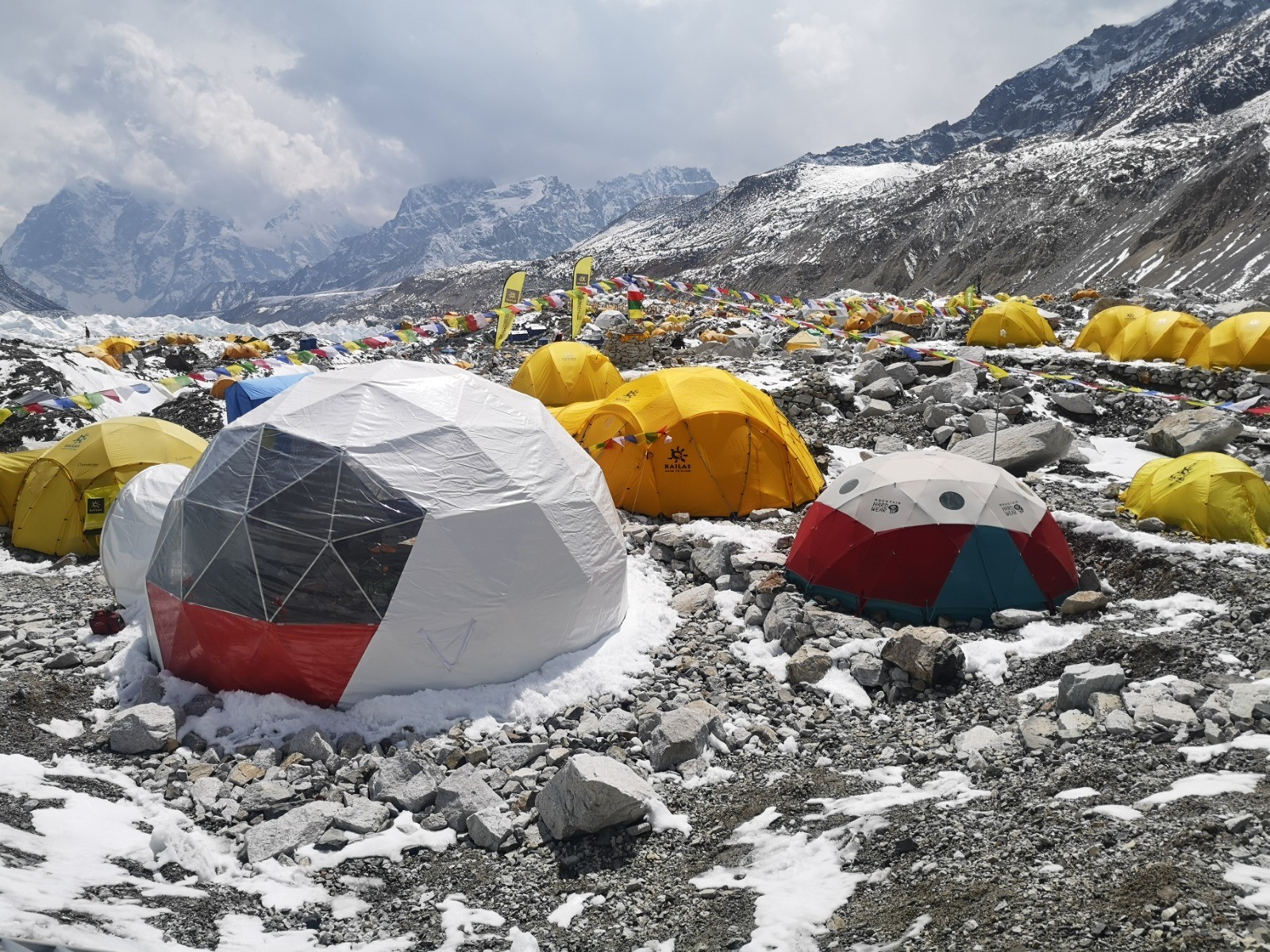
Day 9 : Trek from Lobuche to Everest Basecamp and back to Gorakshep (5,170m)
Day 10 : Trek from Gorakshep to Kalapatthar 5,545m and back to Pheriche (4,371m)
Day 11 : Trek from Pheriche to Namche Bazzar
Day 12 : Trek from Namche to Lukla
Day 13 : Fly from Lukla to Kathmandu
Day 14 : Kathmandu Local Sightseeing
Day 15 : Departure
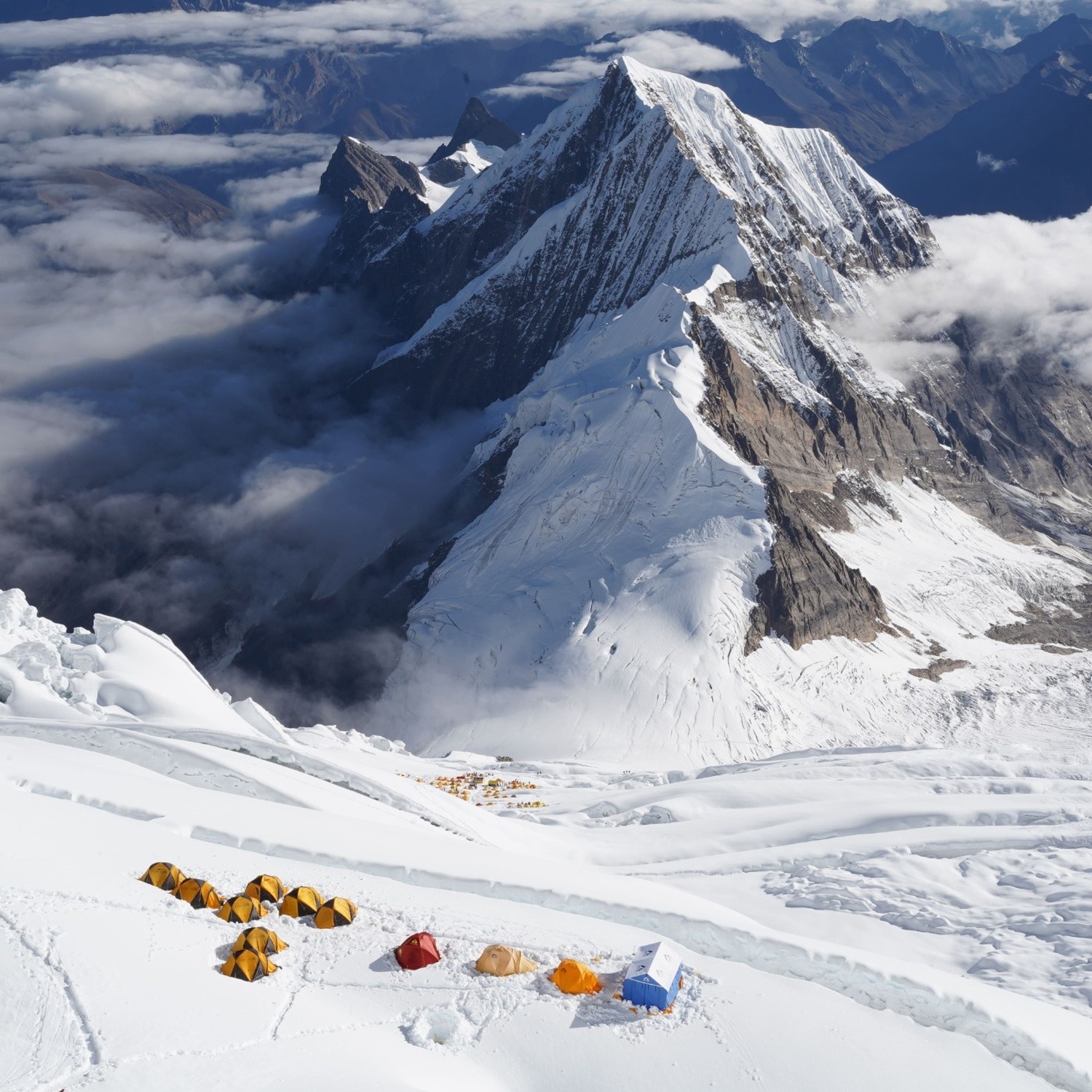
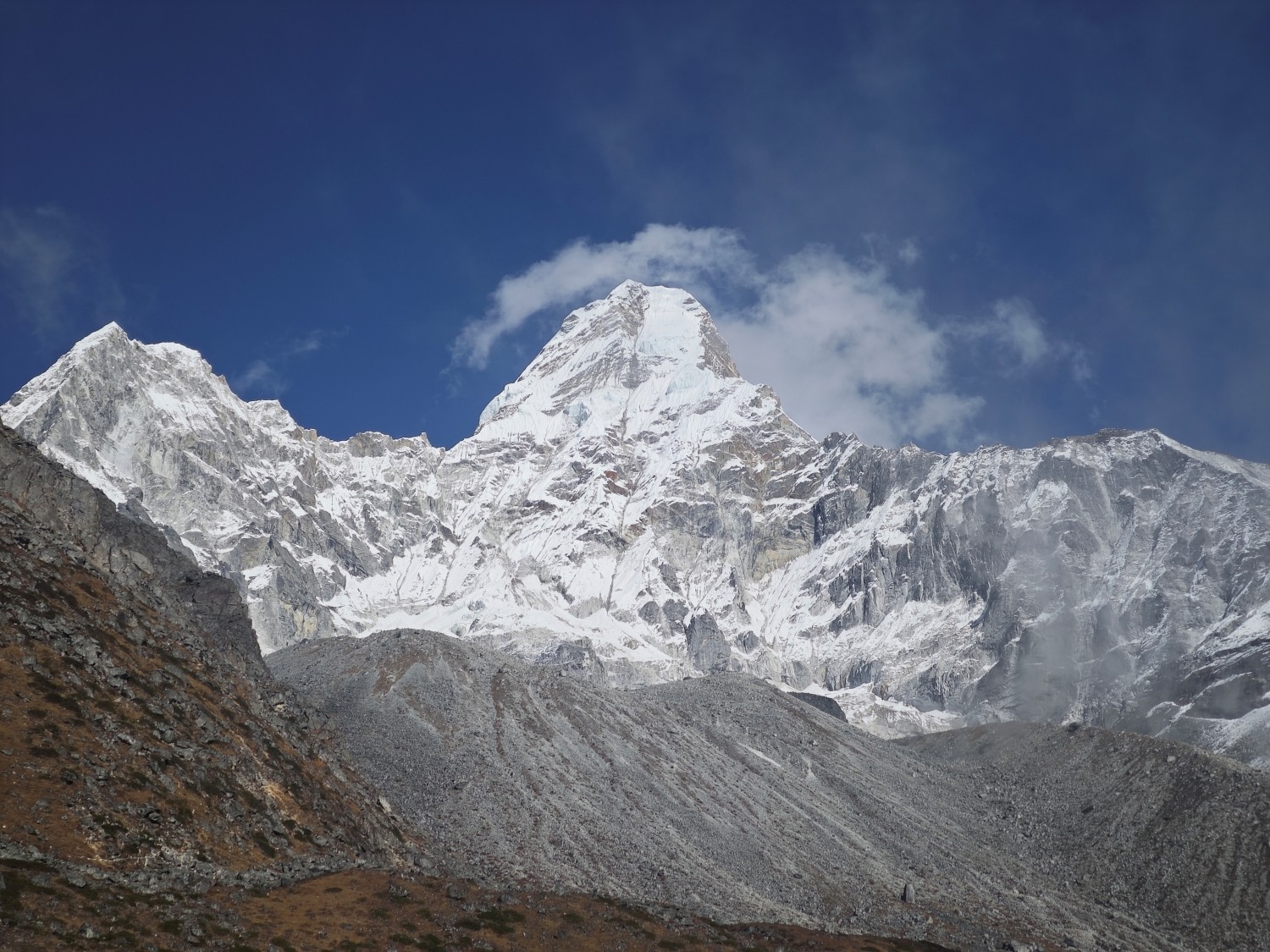
The journey begins in Lukla (2,828 m), a lively town in the Khumbu region. This region is known as the homeland of the resilient Sherpa people and the legendary Yeti. Towering peaks such as Ama Dablam (6,812 m), Lhotse (8,516 m), Makalu (8,463 m), Pumori (7,161 m), and Nuptse (7,855 m) rise majestically, welcoming visitors into this extraordinary landscape. Spending a couple of weeks here offers a remarkable opportunity to experience vast mountain scenery, rich Sherpa-Tibetan culture, and high-altitude adventure—making it an ideal destination for nature lovers.
The Everest Base Camp trek follows a scenic path alongside the Dudh Koshi River, gradually ascending through forests of rhododendron. Along the way, trekkers may encounter wildlife such as blue sheep and musk deer, while elusive snow leopards inhabit the region but are rarely seen. The trail is also rich in birdlife, including species like the Himalayan pheasant, Danphe, and Monal.
As the journey progresses, trekkers reach Namche Bazaar (3,500 m), a key hub for expeditions to Everest and nearby peaks. Popular among trekkers, this vibrant town serves as an essential acclimatization stop due to its altitude, with most trekkers spending at least two nights here to adjust.
From Namche, the trail continues along the Imja Khola River toward the Everest region. Following the classic route through Lobuche and Gorakshep, trekkers eventually arrive at Everest Base Camp. After reaching EBC, the climb to Kala Patthar offers breathtaking panoramic views of Mount Everest and the surrounding Himalayas. Standing face-to-face with the world’s highest peak is an unforgettable and awe-inspiring experience.
Besides the EBC trek, we are also looking after À la carte trekking. It is a flexible, custom-designed trekking style where you choose exactly what you want instead of booking a fixed package.
The term “à la carte” (from French) means “from the menu.” In trekking, it refers to building your own itinerary and services based on your preferences.
Instead of booking a fixed Everest Base Camp package:
& Many more
FACT SHEET FOR FIRST TIME TREKKERS:
Your arrival and departure arrangements will be fully managed by our team Arnold Coster expedition, ensuring a smooth and comfortable start and end to your adventure. After arrival in Kathmandu- you will be transferred to your hotel.
Around your hotel, you will find plenty of ATMs, shops, and restaurants where you can easily access ATMs, buy essentials, or enjoy local and international cuisine.
For treks that require domestic flights, please be prepared for early departures and possible delays due to weather conditions. Luggage limits are strict, so pack accordingly and keep important items in your hand carry.
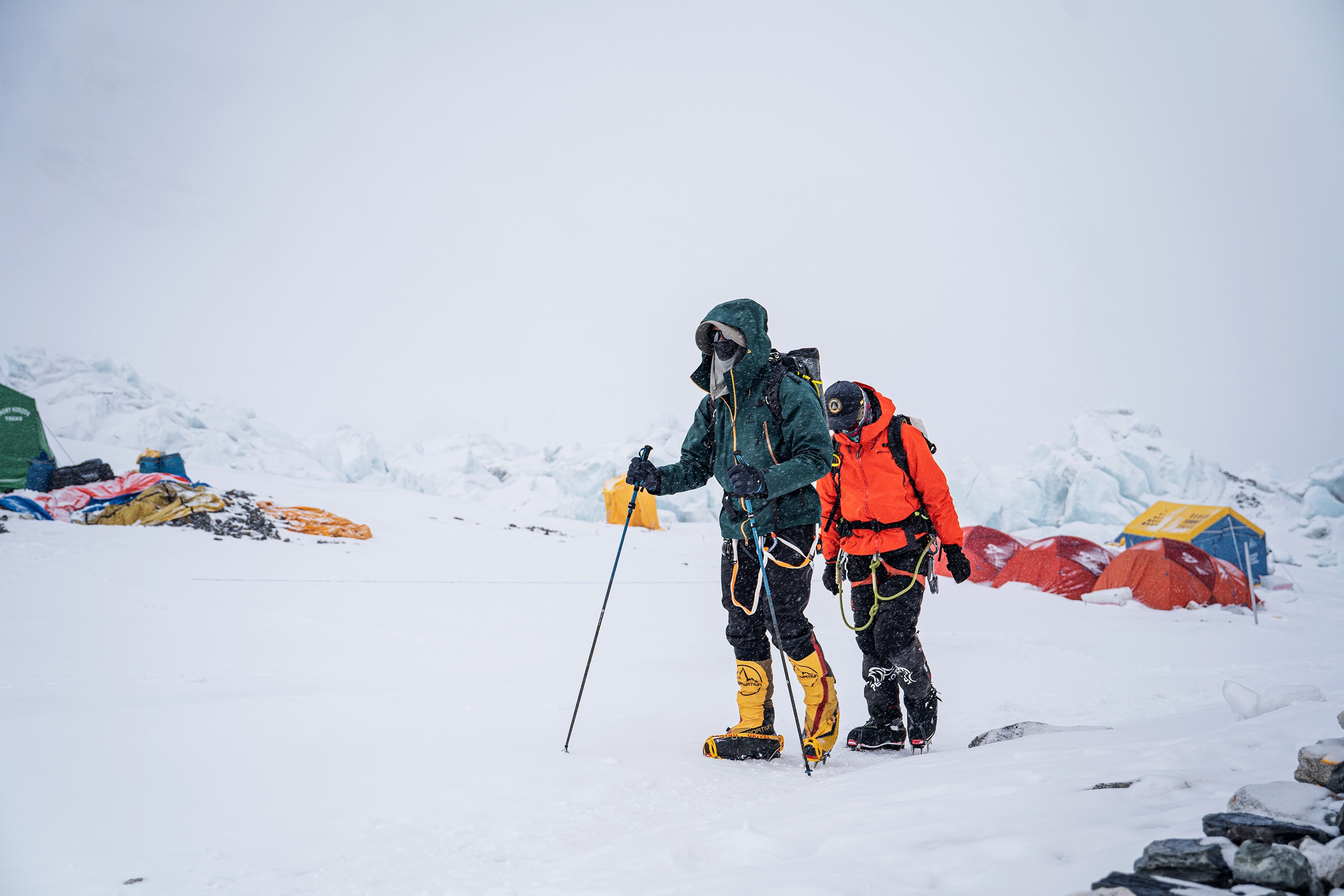
A typical day of trekking begins with waking up early and preparing your bags, which will be carried by porters. After breakfast, you will start your trek, walking through beautiful landscapes and villages. You will stop for lunch along the way and continue trekking until you reach your overnight lodge.
At the lodges, basic facilities are available. Wi-Fi, charging, hot water, and showers are usually provided at an extra cost, which must be paid directly at the lodge.
Our dedicated team from Arnold Coster Expedition will be there to support and guide you throughout the trek, ensuring your safety and comfort.
Please note that any changes to your itinerary, such as leaving earlier or later than planned, will incur additional charges. Tipping is mandatory and greatly appreciated as part of the trekking culture.
Lastly, it is important to carry sufficient cash, as credit cards are generally not accepted in trekking regions of Nepal.
We wish you a safe and unforgettable trekking experience!
Best Regards,

Kathmandu, Nepal
+17542522978
info@globalexped.com
Copyright © 2026 Global Expeditions All rights reserved.
 36 Days
 8163m
8163m 5-10
5-10 Nepal
Nepal